
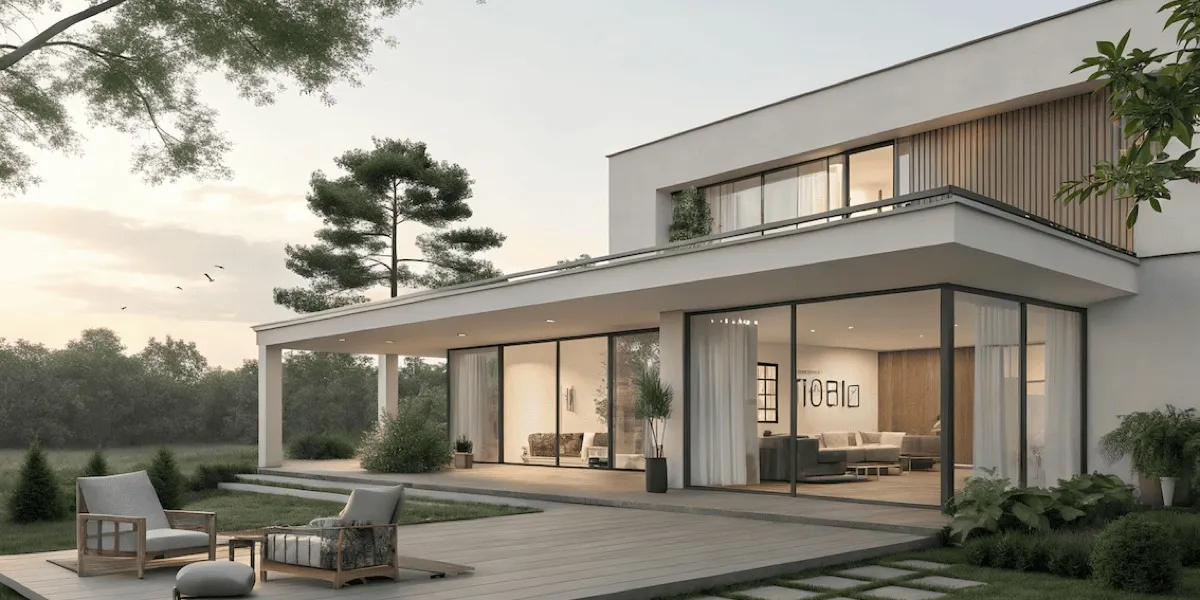
It’s tempting to start a new home with floor plans and finishes selections, but the projects that turn out best usually begin somewhere quieter — with a genuinely honest look at how the household actually lives, day to day.
Get clear on your needs before you get clear on your plan
Household size, how each room will realistically be used, which spaces are genuinely non-negotiable, and how long you plan to stay in the home all shape a good design brief. Setting realistic priorities — and a realistic budget — early keeps every decision that follows properly grounded, rather than drifting as the design evolves.
Know the rules before you fall in love with a plan
Zoning, building codes, heritage overlays, and environmental requirements all vary by council and by the specific site. Bringing people who genuinely know the local regulations into the process from the outset saves a significant amount of redesign — and cost — later on, once a design has already been developed around assumptions that don’t hold up.
Read the site properly before you design for it
Topography, orientation, views, and climate should all genuinely inform the design, not just sit in the background while the floor plan gets drawn in isolation. A proper site analysis regularly reveals passive design opportunities — better solar access, natural cross-ventilation, a more sensibly placed outdoor living area — that reduce running costs for the entire life of the home, not just at the point of construction.
Set a budget that actually includes everything
Design fees, construction costs, permits, site preparation, landscaping, and a genuine contingency all belong in the number from day one — not just the headline build cost. Being upfront about budget with your designer and builder from the very first conversation means trade-offs get made deliberately and with full information, rather than discovered by accident partway through.
Function first, flexibility close behind
The best-looking home on paper is still a poor home if it doesn’t actually work for daily life. Traffic flow, storage, and ergonomics matter just as much as the finishes selected — and spaces that can genuinely adapt as your needs change over time earn their keep for far longer than a home designed only for the day you move in.
The details that tie it all together
Materials, colour, lighting, and finishes are what ultimately make a home feel distinctly yours rather than a generic display home. Gathering reference images and inspiration well ahead of design meetings makes it considerably easier to communicate what you actually want, rather than relying on description alone.
Building in room to grow
Smart home systems and genuinely energy-efficient design don’t just add convenience on move-in day — they keep the home relevant and comfortable as both technology and your own needs continue to change over the years ahead.